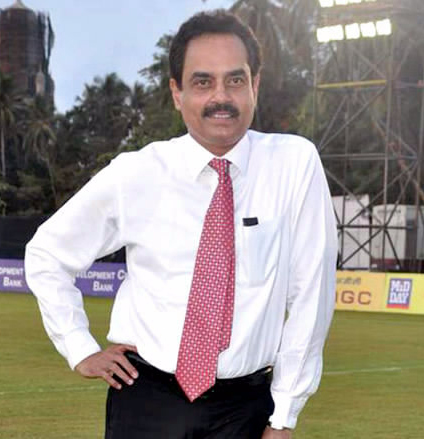
Cricket in India is more than just a sport; it's a national obsession, a cultural cornerstone. As the game evolves rapidly, particularly with the surging popularity of limited-overs formats, the traditional long-form of the game often finds itself at a crossroads. Enter Dilip Vengsarkar, one of the most distinguished figures in Indian cricket, who has consistently championed the cause of Test cricket. The former India captain and batting maestro has voiced a compelling perspective: for India to maintain its cricketing prowess and deepen its talent pool, it must play more Test matches, and crucially, take the purest form of the game to the nation's smaller cities.
The Colonel's Call: Why India Needs More Test Cricket
Dilip Vengsarkar, fondly known as 'The Colonel', is not one to mince words when it comes to the fundamentals of the sport. His recent observations highlight a significant concern regarding the volume of Test cricket played by the Indian team. "Thirteen Test matches for a country like India is not good enough," Vengsarkar asserted, drawing a comparison to India's Test match count from previous years. While 13 Tests in a calendar year might seem substantial to some, Vengsarkar believes it barely scratches the surface of what a cricketing giant like India needs and deserves.
His argument isn't merely about statistics; it's deeply rooted in the philosophy of player development and opportunity. India boasts an unparalleled depth of cricketing talent, a fact Vengsarkar readily acknowledges: "There are a lot of cricketers who can represent India." Increasing the number of Test matches would directly address this by creating more avenues for promising domestic players to step up to the international stage. This expansion is vital for:
- Player Development: Test cricket is the ultimate proving ground, honing technique, temperament, and strategic thinking in a way no other format can. More Tests mean more opportunities for players to develop these crucial attributes at the highest level.
- Bench Strength: A greater number of matches allows for a broader rotation of players, ensuring that the national team's bench strength is consistently tested and nurtured. This is critical for sustained global dominance and injury management.
- Maintaining Test Supremacy: To be considered the best, India needs to regularly compete and win in Test cricket. An increased match count allows the team to maintain rhythm, adapt to various conditions, and solidify its position at the top.
- Inspiration and Aspiration: Young cricketers in India are often drawn to the glitz of T20s. More prominent Test series, especially with home matches, can reignite the aspiration among budding talents to excel in the longest format, safeguarding its future.
From a strategic standpoint, playing more Tests also allows the team to experiment with different combinations and strategies, ensuring they are well-prepared for marquee series against top-tier nations. It encourages a more robust domestic structure, as the demand for Test-ready players filters down to state and club cricket, fostering a culture of excellence across all levels.
A Strategic Shift: Bringing Test Cricket to Smaller Cities
Perhaps Vengsarkar's most insightful recommendation is the decentralization of Test cricket venues. He strongly advocates for "playing Test matches in smaller cities rather than big centres where only limited overs cricket is popular." This isn't just a logistical suggestion; it's a visionary approach to reconnect Test cricket with its roots and expand its appeal.
Expanding the Fanbase and Grassroots Engagement
Major metropolitan hubs like Mumbai, Delhi, and Bangalore often prioritize T20 and ODI fixtures due to higher commercial viability and established infrastructure. However, this often leaves Test matches in these cities struggling to attract capacity crowds, leading to an atmosphere that can feel less vibrant. Smaller cities, on the other hand, offer a unique opportunity:
- Untapped Enthusiasm: Many smaller towns and cities possess an ardent, passionate cricket following that rarely gets to experience international matches live. Bringing Tests to these venues could guarantee packed stadiums and an electrifying atmosphere, providing a true home advantage.
- Regional Development: Hosting an international Test match acts as a significant catalyst for local infrastructure development, including stadia upgrades, hospitality, and transport, benefiting the entire region.
- Grassroots Inspiration: For aspiring cricketers in these regions, witnessing a Test match live can be a life-altering experience. It demystifies the game, makes it tangible, and inspires them to pursue professional cricket, much like the Mumbai Cricket Association (MCA) has done so successfully in Mumbai at the grassroots level, a feat Vengsarkar himself praised.
Logistical Considerations and the Path Forward
While the idea is compelling, implementing it requires careful planning. The BCCI would need to:
- Infrastructure Assessment: Identify smaller cities with existing or upgradable facilities that meet international standards for pitches, dressing rooms, media boxes, and spectator amenities.
- Logistics and Accessibility: Ensure adequate accommodation, transport links, and security arrangements are in place for teams, officials, and visiting fans.
- Local Engagement: Work closely with state cricket associations to build local capacity for hosting and managing international events, fostering a sense of ownership and pride.
This strategic shift would not only rejuvenate Test cricket but also democratize the experience of watching international cricket, making it accessible to a wider section of the Indian populace. It's a move that promises to strengthen the fabric of Dilip Vengsarkar India cricket for generations to come.
Vengsarkar's Enduring Legacy: A Voice of Experience
Dilip Vengsarkar's opinions carry significant weight, not just because of his stature but because of his multifaceted journey in cricket. His insights stem from a career that saw him evolve from an elegant batsman to a captain, and later, a shrewd administrator and selector.
As a player, Vengsarkar was a class apart. Batting at the crucial number three position, he carved out a prominent 16-year career for India, scoring many memorable centuries that often rescued his team from challenging situations. His initial foray into international cricket in 1976 against New Zealand was slow, but it was on the challenging Australian tour of 1977-78 that he truly announced his arrival, showcasing his stylish technique and brilliant driving. He was a rare talent who consistently found success against the formidable West Indies pace quartet of Holding, Marshall, and Roberts, notching up approximately six centuries against them – a testament to his courage and skill. His legendary feat of scoring three consecutive centuries at Lord's, earning him the Man of the Series award, is a prime example of his batting prowess, an achievement that cemented his place in cricketing folklore. To delve deeper into these remarkable performances, read more about Lord of Lord's: Dilip Vengsarkar's Legendary Batting Feats. At his peak, he was rated the best batsman in the world, a fitting accolade for a player with one of the highest batting averages for Test matches played at home.
A vital member of Kapil Dev's triumphant 1983 World Cup squad, Vengsarkar later took over the captaincy after the 1987 World Cup, starting brilliantly with a couple of centuries in his inaugural series as skipper. His contributions were recognized with the Arjuna Award in 1981, the Padma Shri by the Indian government in 1987, and the prestigious Wisden Cricketer of the Year award in the same year.
Post-retirement in 1992, where he was then the highest run and century-getter behind Sunil Gavaskar, Vengsarkar remained deeply involved in cricket. He established cricket academies to nurture budding talent, mirroring his commitment to grassroots development. His administrative acumen saw him appointed Chairman of the Talent Resource Development Wing (TRDW) in 2002, a pioneering initiative to unearth cricketing talent across the country. He further served as Vice-President of the Mumbai Cricket Association in 2003 before ascending to the pivotal role of Chairman of Selectors for the BCCI, a journey from batting maestro to key decision-maker. Learn more about his administrative career here: Dilip Vengsarkar: From Batting Maestro to Chief Selector. His extensive experience across all facets of the game makes his current advocacy for Test cricket particularly compelling and credible.
On Contemporary Cricket: Kohli's Captaincy and India's Prospects
Vengsarkar has always adopted a pragmatic stance when evaluating current cricketing scenarios. Reflecting on Virat Kohli's captaincy (at the time of his remarks), he was measured, stating, "It's too early to comment on Virat's captaincy. India has been doing well in Test cricket but there is a lot to do in one-day cricket." This discerning observation highlighted the distinct challenges and performance metrics across different formats, showcasing his deep understanding of the game's complexities. Similarly, his cautious approach to commenting on India's chances at the ICC Champions Trophy, noting that "it is in England and a lot of time is still left," underscored his belief in evaluating situations as they unfold rather than making premature judgments.
Nurturing Talent: MCA's Grassroots Endeavours
Vengsarkar's praise for the Mumbai Cricket Association (MCA) for "promoting the game in Mumbai by taking the game to the grassroot level" perfectly aligns with his broader vision for Indian cricket. His own involvement with academies and the TRDW demonstrates a lifelong commitment to identifying and developing talent from the very foundation. This emphasis on grassroots initiatives reinforces his call for playing Tests in smaller cities – it's all part of a larger ecosystem designed to discover, nurture, and showcase the immense cricketing potential across India.
Conclusion
Dilip Vengsarkar's recent pronouncements serve as a crucial reminder for Indian cricket. His call for playing more Test matches and strategically decentralizing venues to smaller cities is not just about preserving the purity of the game, but about enriching its future. By creating more opportunities for players and bringing the magic of Test cricket closer to passionate, underserved fanbases, India can solidify its global cricketing dominance while fostering an even deeper connection between the sport and its people. The voice of a legend like Dilip Vengsarkar, rooted in unparalleled experience as a player, captain, and administrator, offers invaluable direction, urging the BCCI and cricketing authorities to embrace bold, visionary strategies to ensure the enduring strength and appeal of Dilip Vengsarkar India cricket.