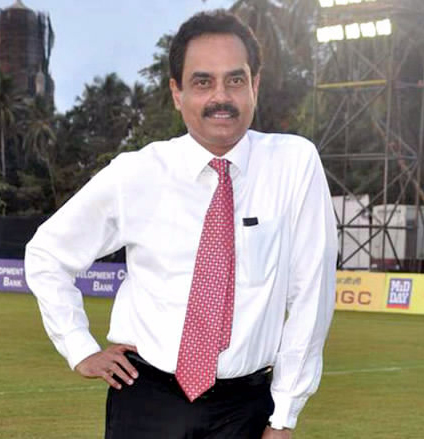
Dilip Vengsarkar: From Batting Maestro to Chief Selector
Dilip Vengsarkar stands as one of the most distinguished figures in the annals of Indian cricket, a name synonymous with elegance, resilience, and a profound understanding of the game. His journey spans from being a prolific middle-order batsman who redefined strokeplay to a sagacious administrator and chief selector, continuously shaping the landscape of
dilip vengsarkar india cricket. Often referred to as "The Colonel" for his upright stance and disciplined approach, Vengsarkar's career offers a fascinating study in transitioning from on-field brilliance to off-field strategic leadership.
The Elegant Batsman: A Career of Distinction for India
Born on April 6, 1956, Dilip Vengsarkar quickly garnered attention in Mumbai's formidable cricket circuit before making his international debut. His entry onto the international stage was a gradual affair; he first represented India in January 1976 against New Zealand, but it wasn't until the tour of Australia in 1977-78 that his true potential began to unfold. It was there that he started to carve out his identity as a technically sound batsman with an exquisite array of shots.
Vengsarkar was a quintessential number three batsman, a position that demands both classical technique and a strong temperament, often tasked with rebuilding an innings or accelerating it. His batting was characterized by its sheer elegance, a silky smooth style highlighted by his masterful driving through the covers. He possessed an innate ability to maintain composure under pressure, frequently transforming challenging situations into match-winning opportunities for India.
One of the most remarkable facets of Vengsarkar's playing career was his exceptional success against the formidable West Indies pace battery of the 1980s. Facing legendary bowlers like Michael Holding, Malcolm Marshall, and Andy Roberts – a quartet that instilled fear in most batsmen globally – Vengsarkar not only survived but thrived, scoring approximately six centuries against them. This achievement is a testament to his courage, skill, and unflappable concentration against an era-defining cricketing force.
Perhaps his most celebrated accomplishment came at the spiritual home of cricket, Lord's, where he uniquely registered three consecutive centuries against England. This remarkable feat not only cemented his place as a legend but also helped India achieve significant victories, earning him the Man of the Series award. His dominance at the venue gave him the fitting moniker,
Lord of Lord's: Dilip Vengsarkar's Legendary Batting Feats. At home, his statistics were equally impressive, boasting one of the highest batting averages for Test matches played in India, underscoring his consistency and mastery in familiar conditions. At the pinnacle of his career, he was widely regarded as the best batsman in the world, a recognition that speaks volumes about his caliber during an era of cricketing giants.
Vengsarkar's prowess wasn't limited to Test cricket. He was an integral part of Kapil Dev's historic 1983 World Cup-winning squad, contributing to India's unexpected triumph that forever changed the nation's cricketing aspirations.
Brief Stint as Captain and Post-Playing Accolades
Following the 1987 World Cup, Dilip Vengsarkar took over the captaincy of the Indian team. He began his tenure with promising performances, including a couple of centuries in his inaugural series as skipper. However, his leadership role proved to be short-lived, concluding after a challenging tour of the West Indies in 1989 and a subsequent disagreement with the Board of Control for Cricket in India (BCCI). Despite the brevity of his captaincy, his legacy as a batsman remained untarnished.
For his outstanding contributions to Indian cricket, Vengsarkar received several prestigious awards. In 1981, he was honored with the Arjuna Award, India's second-highest sporting honor. The Indian government further recognized his services with the Padma Shri in 1987, the same year he was also named a Wisden Cricketer of the Year, an ultimate accolade in the cricketing world. When he retired in 1992, he stood as the second-highest run-scorer and century-maker for India in Tests, surpassed only by the legendary Sunil Gavaskar.
Beyond the Boundary: Vengsarkar's Administrative Contributions
Dilip Vengsarkar's commitment to cricket did not cease with his retirement from playing. He seamlessly transitioned into administrative roles, demonstrating a dedication to nurturing the sport he loved. Recognizing the importance of grassroots development, he established cricket academies aimed at identifying and honing the skills of budding cricketers. These academies served as crucial pipelines for future talent, embodying his belief in systematic development.
His administrative career took a significant turn in 2002 when he was appointed Chairman of the Talent Resource Development Wing (TRDW) of the BCCI. The TRDW was a pioneering initiative designed to systematically scout and develop cricketing talent across the vast expanse of India, ensuring that no potential star went unnoticed. This role allowed Vengsarkar to implement a structured approach to talent identification, moving beyond traditional methods and creating a more inclusive platform for young cricketers.
In 2003, his administrative journey continued as he became the Vice-President of the Mumbai Cricket Association (MCA), an organization he had served with distinction throughout his playing career. His deep understanding of Mumbai's rich cricketing culture and robust infrastructure proved invaluable in this role. Later, he ascended to one of the most influential positions in Indian cricket: the Chairman of Selectors for the BCCI. In this capacity, Vengsarkar played a pivotal role in shaping the Indian national team, making critical decisions that impacted the careers of many players and the direction of Indian cricket. He often praised the MCA for their relentless efforts in promoting the game at the grassroots level, recognizing its critical importance.
A Vision for Indian Cricket: Emphasizing Test Matches
Even after his stints as a selector and administrator, Dilip Vengsarkar remains a passionate and vocal observer of Indian cricket, consistently offering insights and advocating for what he believes is best for the game's long-term health. A significant cornerstone of his philosophy revolves around the importance of Test cricket. He has consistently voiced his opinion that India should be playing a greater number of Test matches annually. Noting that India played 13 Tests in 2016 and was slated for the same number in subsequent years, Vengsarkar argued that this figure is insufficient for a cricketing powerhouse like India.
"Thirteen Test matches for a country like India is not good enough. They should play more Tests. There are a lot of cricketers who can represent India," Vengsarkar asserted, highlighting the depth of talent available in the country. His rationale is clear: more Tests provide more opportunities for emerging players, help maintain the sanctity of the longest format, and offer a comprehensive test of skill and character.
Furthermore, Vengsarkar has put forth a strategic suggestion to invigorate Test cricket's appeal and reach across the nation: hosting Test matches in smaller cities rather than exclusively in major metropolitan centers. He reasons that big cities often gravitate towards the shorter, more popular limited-overs formats, while smaller cities could offer fresh, enthusiastic audiences and potentially foster a deeper appreciation for Test cricket. This strategic move could decentralize cricket's reach and cultivate new fan bases, breathing new life into the traditional format. His proactive stance on this issue highlights his commitment to the overall well-being of the sport, echoing the sentiments explored in
Dilip Vengsarkar: India Must Play More Tests, Host in Small Cities.
When asked about contemporary issues, Vengsarkar has consistently adopted a measured approach. Regarding Virat Kohli's captaincy, he cautioned against premature judgments, stating, "It's too early to comment on Virat's captaincy. India has been doing well in Test cricket but there is a lot to do in one-day cricket." Similarly, he maintained a reserved stance on India's prospects in major tournaments like the ICC Champions Trophy, preferring to wait closer to the event given the variable nature of cricket. His measured responses reflect a deep understanding of the sport's unpredictability and the need for patience in evaluating performance and potential.
Lessons from a Legend: What Vengsarkar's Journey Teaches Us
Dilip Vengsarkar's multifaceted career offers invaluable lessons for aspiring cricketers, administrators, and indeed, anyone pursuing excellence. His journey from a slow start in international cricket to becoming a world-renowned batsman exemplifies the power of
perseverance and unwavering commitment. He didn't burst onto the scene with immediate fireworks, but rather built his legacy brick by brick, testament to consistent effort and self-belief.
His seamless transition from a top-tier player to an influential administrator underscores the importance of
adaptability and a continued desire to contribute. Vengsarkar didn't rest on his laurels but found new ways to impact the game, demonstrating that passion can translate into various forms of leadership. His advocacy for Test cricket and strategic proposals for hosting matches in smaller cities reflect a
visionary outlook, emphasizing the long-term health and growth of the sport over fleeting trends.
Furthermore, his involvement with the TRDW and cricket academies highlights the critical importance of
nurturing talent at all levels. It teaches us that true sporting success isn't just about winning today, but about investing in the future generation, identifying potential, and providing the resources for it to flourish. Aspiring cricketers can draw inspiration from his technical discipline and mental fortitude against the toughest opposition, while future administrators can learn from his strategic thinking and dedication to grassroots development.
In essence, Dilip Vengsarkar's career is a masterclass in evolving with the demands of the game while staying true to its core values. His enduring influence on
dilip vengsarkar india cricket is a testament to his profound impact both on and off the field.
Conclusion
Dilip Vengsarkar's narrative is a compelling saga of excellence, dedication, and leadership within the realm of Indian cricket. From his elegant strokeplay that mesmerized fans and dismantled the world's best bowling attacks to his visionary administrative roles as chief selector and proponent of Test cricket's resurgence, Vengsarkar has consistently exemplified the qualities of a true cricketing statesman. His legacy as a batting maestro who brought glory to
dilip vengsarkar india is firmly etched in history, complemented by his relentless efforts to ensure the continued growth and health of the sport for future generations. His journey serves as a powerful reminder that true impact extends far beyond the boundaries of the playing field, resonating through strategic leadership and an unwavering commitment to the game.